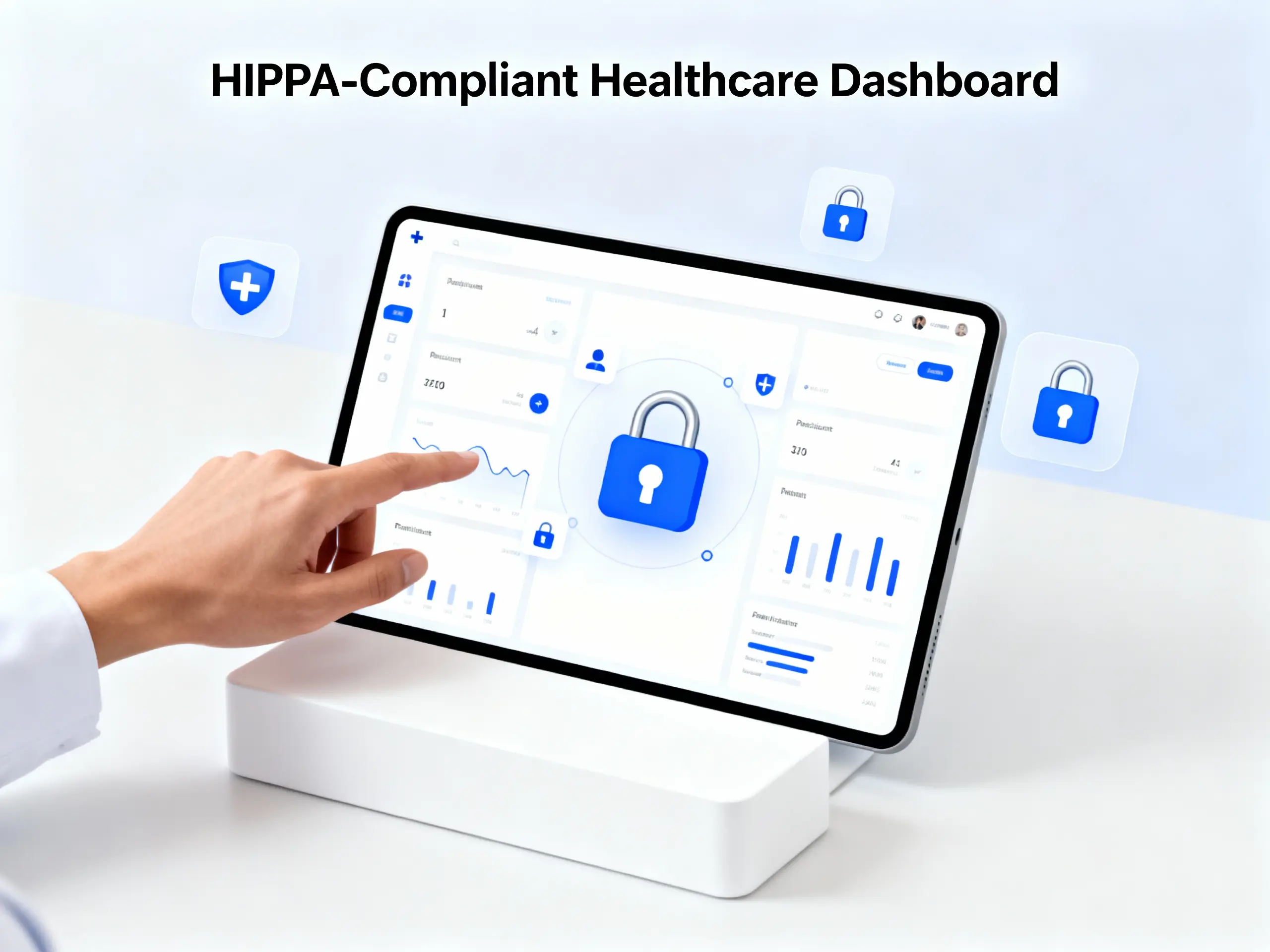
Trust is a weird thing in healthcare. People want help, but they also want to feel like their information isn’t being secretly funneled into some mysterious database. And honestly, I get it. Healthcare is personal, vulnerable, and sometimes downright uncomfortable. That’s exactly whyHIPAA isn’t just a rule; it’s the social contract between you and your patients.
At MedicalSuite, we frequently observe this scenario unfolding. A clinic can have the nicest lobby, the friendliest receptionist, the most advanced equipment… but if their digital presence feels even slightly sketchy, patients hesitate. It only takes one privacy red flag, an intrusive form, a questionable tracking pixel, or a leaky chat tool for trust to evaporate.
So let’s break down what it actually takes to build trust through HIPAA-compliant marketing. No corporate fluff, no legal lecture vibes, and no pretending this stuff is optional.
Start with the obvious: handle patient data like it’s priceless (because it is)
You’d be surprised how many healthcare organizations unintentionally break HIPAA before they even launch a campaign. A form that emails patient symptoms in plain text. A CRM that isn’t compliant. A website plugin that quietly collects PHI.
Patients notice when something feels off, even if they can’t articulate what’s wrong. A weird question on a form, a redirect to a sketchy URL, a sign-up process that seems… way too eager.
Trust breaks quietly.
Keeping every touchpoint compliant, forms, tracking tools, scheduling systems, and emails, isn’t just the “responsible thing.” It’s the foundation of a brand people feel safe interacting with.
Talk like a real human, not like an internal policy doc from 2008
One of the biggest myths in healthcare marketing is that HIPAA forces you to sound robotic. No. What HIPAA restricts is the disclosure of patient information without the patient’s permission.
You can be warm, relatable, and honest while staying compliant.
People trust brands that appear to be real people. Not brands that sound like someone copied and pasted a compliance memo into their homepage.
Be upfront before someone even thinks to ask
Transparency is underrated. Patients shouldn’t have to dig through a 14-page privacy policy written in lawyer-ese just to understand how their data is handled.
Tell them:
- What you collect
- Why is it collected
- How it’s protected
Clarity builds confidence. Confidence builds trust. And HIPAA becomes a strength rather than an invisible threat lurking in the background.
Use platforms that won’t betray you later
Let’s be honest, the tech stack is where things usually go wrong. If a tool is free, outdated, doesn’t sign BAAs, or stores data in ways you can’t control… run. Don’t “wait and see.” Run.
Some common troublemakers:
- Lead-gen tools that quietly store PHI
- Chat widgets that aren’t encrypted
- CRMs built for retail, not healthcare
- Form builders with non-compliant data routing
If it’s not HIPAA-compliant, it’s not worth the risk, even if it’s convenient, even if it’s cheap, even if you’ve used it “for years with no issues.”
The truth is simple: You cannot build trust in technology that doesn’t protect the people you’re serving.
Train your team, as your reputation depends on it
Most compliance issues aren’t caused by software. People cause them.
Your team needs to understand:
- What PHI actually includes
- How HIPAA affects marketing copy
- What they can or can’t say on social media
- Why screenshots are dangerous
- Where the data is actually stored and how it moves
One casual slip, one accidental reveal, one “harmless” reply to a comment, and trust cracks.
Training isn’t about making people paranoid. It’s about making your workflows consistent. Consistency is what makes patients feel protected.
Prove your commitment instead of shouting about it
Anyone can slap “HIPAA-compliant” on their website. But trust doesn’t come from saying it; it comes from showing it.
Examples:
- Clean, secure website forms
- Encrypted messaging
- Safe scheduling options
- Proper consent checkpoints
- Patient control over communication preferences
When people experience privacy, they don’t need convincing. They believe.
Don’t lose your humanity while trying to stay compliant
The biggest mistake healthcare brands make is thinking they must choose between warmth and compliance.
You can have both.
Patients don’t want to feel like entries in a database. They want to feel understood. So be real. Use emotion. Use stories (without identifying details seriously). Admit mistakes and fix them fast. Speak like someone who actually cares.
HIPAA is the boundary.
Your voice is the relationship. Trust happens where the two meet.
What We Bring to the Table
If your clinic wants to grow without breaking patient trust, here’s the kind of work we handle behind the scenes:
- Digital marketing that actually feels patient-friendly
- PPC campaigns built to drive real appointment requests
- ADA- and HIPAA-compliant websites that keep you protected
- Custom Website
- Email marketing
- Data-driven systems and workflow automation to keep everything running smoothly
We’ve supported clinics like GI Partners of Illinois and Greenleaf Medical Associates, etc, helping them strengthen their online presence and create patient experiences that feel safe, clear, and consistent.
Let’s Build Something Patients Can Trust
If you’re ready for marketing that respects privacy and fuels real growth, we’re here for it.
Book a free demo now and let’s make your next stage of success a lot easier, safer, and more predictable.